| Founded | 14th century |
| Location | Northern Rajasthan, India |
| Former status | Capital of a small Rajput kingdom |
| Modern economy | Thriving textile, metalworking and other cottage industries |
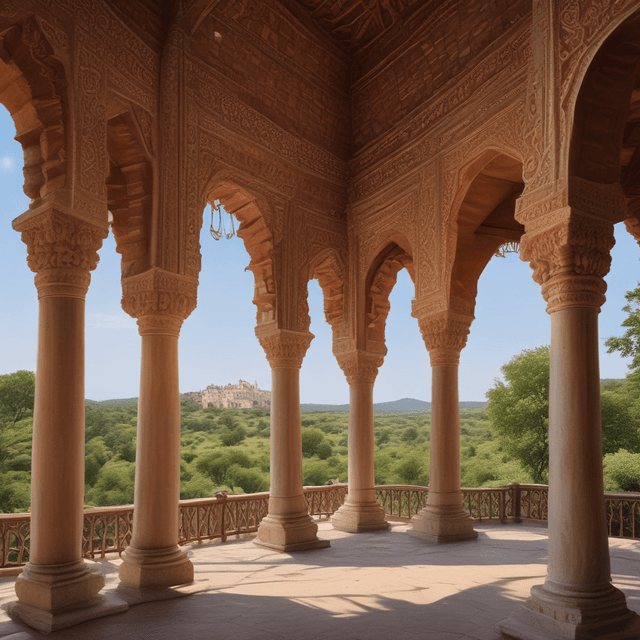
| Notable features | Rajput-style architecture, including forts, palaces, and temples |
| Historical significance | Maintained semi-autonomous status under Mughal rule, played pivotal role in Maratha Wars against British East India Company |
Sawai Madhopur is a historic city located in the northern Indian state of Rajasthan. Founded in the 14th century as the capital of a small but influential Rajput kingdom, the city developed over the centuries into an important regional power and commercial hub. While Sawai Madhopur came under the rule of the Mughal Empire in the 16th century, it retained a degree of semi-autonomous status and played a pivotal role in the Maratha Wars against the British East India Company in the 18th century. Today, Sawai Madhopur is known for its thriving textile, metalworking and other cottage industries, as well as its impressive Rajput-style architectural heritage.
Sawai Madhopur was established in the 14th century by the Rajput ruler Rao Madho Singh I, who made it the capital of his kingdom. Over the next few centuries, the city grew in prominence, with the construction of grand forts, palaces, and temples that showcased the skill of Rajput architecture and the power of the local nobility.
As a regional power, Sawai Madhopur engaged in frequent military conflicts with neighboring Rajput kingdoms as well as the Delhi Sultanate to the north. However, the city's strategic location and strong fortifications allowed it to maintain its independence through much of the medieval period.
In the early 16th century, Sawai Madhopur came under the rule of the rising Mughal Empire. The city was formally incorporated as part of the Mughal territories in 1567 under Emperor Akbar. However, the local Rajput rulers were allowed to maintain a significant degree of autonomy and self-governance within the imperial framework.
Sawai Madhopur flourished as an important trade and manufacturing center during the Mughal era. Its skilled artisans produced high-quality textiles, metalwork, and other luxury goods that were in demand across northern India and beyond. The city's cosmopolitan character grew with an influx of merchants, scholars, and imperial administrators.
In the 18th century, as the Mughal Empire declined, Sawai Madhopur became embroiled in the wider Maratha Wars raging across India. The city's Rajput rulers allied with the rising Maratha Confederacy against the encroaching British East India Company.
Sawai Madhopur played a key strategic role in several major battles, leveraging its formidable fortifications to withstand prolonged sieges by British forces. The city's skilled infantry and cavalry also conducted devastating raids and ambushes against British supply lines. Although the Marathas were ultimately defeated, Sawai Madhopur's resistance significantly slowed the pace of the Company's conquest of the region.
Today, Sawai Madhopur remains an important regional economic center, with a thriving textile industry, metalworking shops, and other cottage industries. The city is also a significant agricultural hub, with a fertile surrounding countryside that produces crops like millet, sorghum, and mustard.
Architecturally, Sawai Madhopur is renowned for its Rajput-style fortresses, palaces, and temples. The massive Ranthambore Fort, built in the 10th century, dominates the city's skyline and is one of the most iconic examples of medieval Rajput defensive architecture. Other notable landmarks include the ornate Raj Mahal Palace, the Datia Mahal, and various Hindu temples and mosques that reflect the city's diverse cultural heritage.
Sawai Madhopur has become an increasingly popular tourist destination in recent decades, drawing visitors to explore its rich history, admire its architectural wonders, and experience its vibrant contemporary culture.
